

Space is no longer a supporting player. It has become a core enabler of America’s multi-layered missile defence strategy and a decisive factor in shaping future defence capabilities.
Historically, space has played a vital supporting role for terrestrial activities, providing critical intelligence, surveillance, and reconnaissance (ISR), sensing and communications. Now, space serves as a crucial sensor and connector - offering advanced early warning and tracking capabilities in what we now consider a warfighting domain.
Golden Dome for America - a comprehensive, multi-layered integrated air and missile defence concept spanning seabed to space - marks the end of space as a supporting domain and ushers in an era of integrated, scalable, combat-proven defence capabilities for all domains.
Each orbital layer tells a different part of the story, but together, with Lockheed Martin’s combat-proven expertise to support priority missions, they script the future of space superiority.
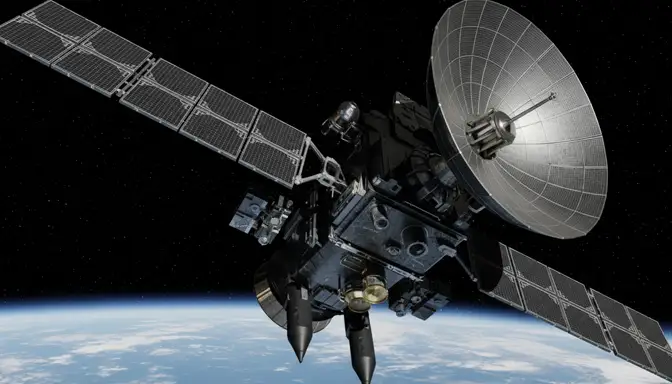
Space Layer – First Line of Threat Detection
By continuously monitoring airborne threats to deliver sensing and early warning, the space layer gives the warfighter the most asset in modern defence – time.
Programs like the Space-Based Infrared System (SBIRS) and its successor, the Next Generation Overhead Persistent Infrared GEO (NGG), provide critical early warning of missile launches and persistent long-range tracking of emerging threats, giving America’s forces more time and information to be able to choose the next step.
Enhancing this layered defence approach, Lockheed Martin is supporting the Space Development Agency’s Proliferated Warfighter Space Architecture (PWSA) – a plan for a resilient constellation of hundreds of satellites – providing persistent surveillance and tracking of real-time threats as they emerge.
Supported by space-based Airborne Moving Target Indication (AMTI) and over-the-horizon (OTH) radars, the space layer plays a critical role in maintaining situational awareness and strengthening the nation’s ability to respond at speed.
"...the space layer gives the warfighter the most valuable asset in modern defence – time"
Strategic Intercept Layer – Missile Defeat
Once a threat is detected and tracked, defeating it before impact is critical. The strategic intercept layer targets threats in their midcourse phase, in both the endo and exo-atmosphere before they can reach American soil or allied territories.
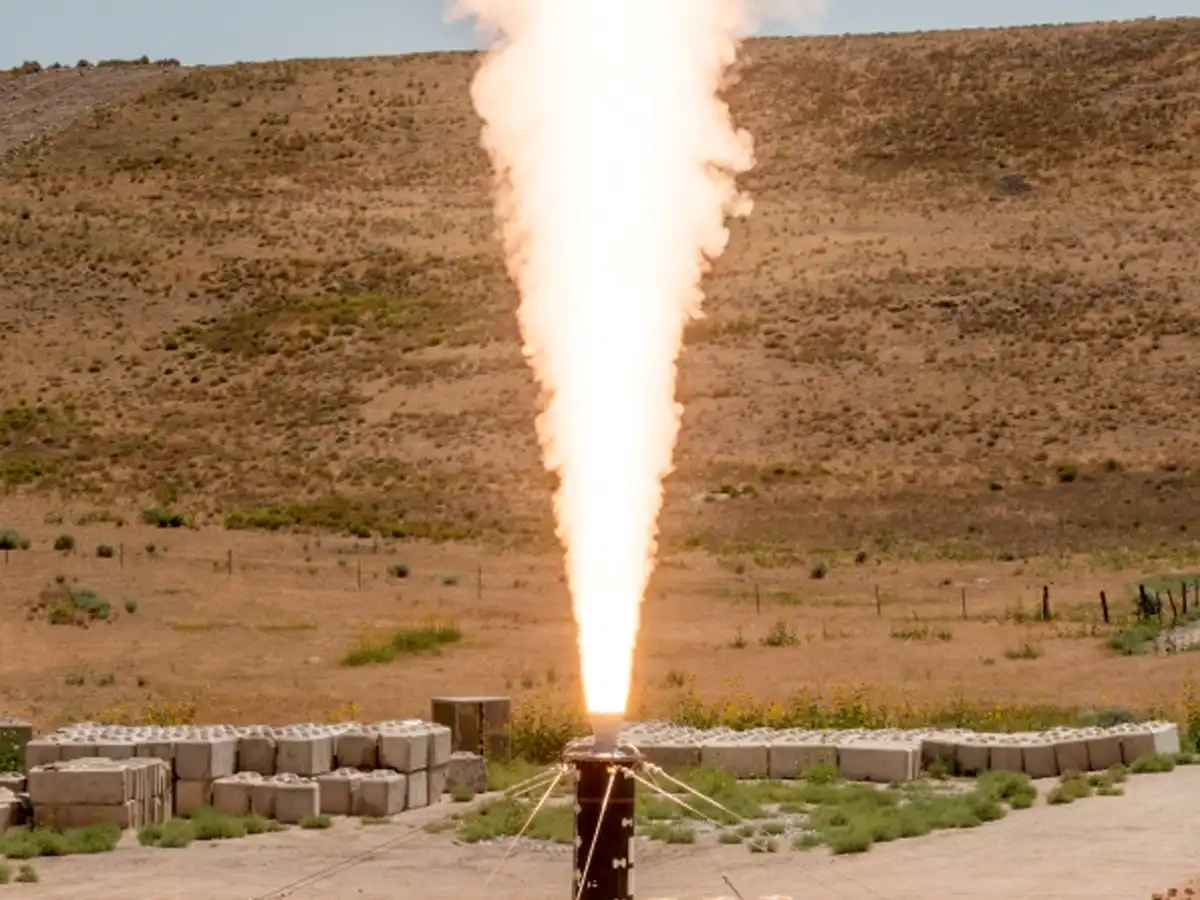
This layer is anchored by advanced systems such as the MDA’s Ground-Based Missile Defence (GMD), using the Ground-Based Interceptor (GBI) and the future Next Generation Interceptor (NGI).
NGI replaces aging unitary GBIs with greater reliability, agility, and precision. NGI leverages mature technologies within a layered defence architecture of space sensors, radars, and command-and-control systems to strengthen national deterrence. NGI also delivers a substantial increase in kill capacity through multiple kill vehicles and leverages decades of investment in strategic missions and space system technologies to enhance accuracy and survivability.
Golden Dome
Also, currently in development, space-based interceptors for missile defence require a leap in orbital logistics, propulsion, space-based sensors, and onboard processing. Lockheed Martin systems are designed to support that leap, from hosting tracking sensors to enabling in-orbit decision-making.
This layer serves as a powerful backstop to the nation’s missile defence capabilities, ensuring strategic protection through high-altitude, high-speed engagements.
Underlayer – Regional and Theater Defence
Deterrence begins with detection, and the underlayer is where the regional and theater-level defence comes to life, combining advanced radars, interceptors and directed energy systems to protect forward-deployed forces and critical infrastructure. This layer relies on orbital intelligence to extend detection range and sharpen targeting precision.
Radar systems form the foundation of this detection architecture. Fielded and future-ready systems like the Long-Range Discrimination Radar (LRDR), TPY-6, TPY-4 and Sentinel A4 deliver scalable, networked, high-fidelity sensing - critical for identifying and tracking complex, manoeuvring threats.
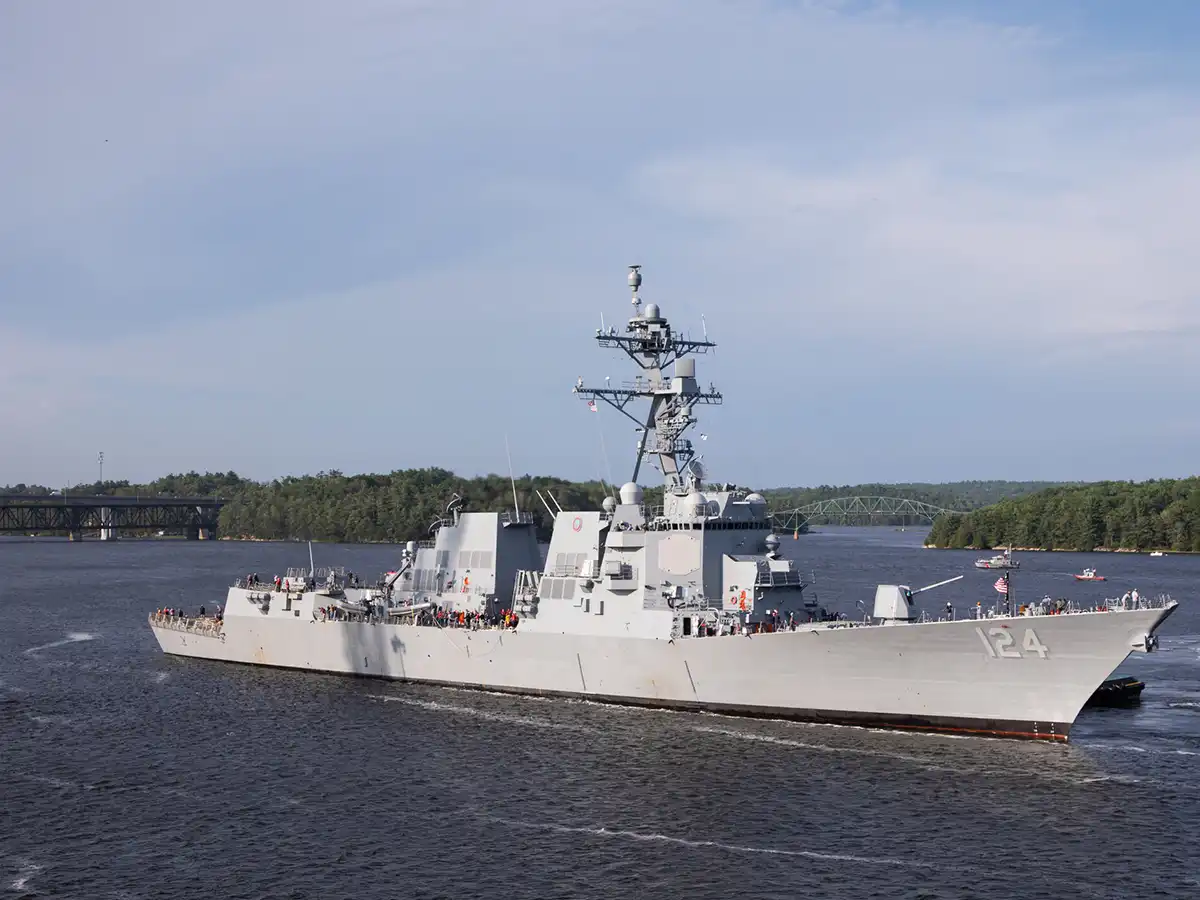
THAAD and PAC-3 MSE are proven capabilities that continue to demonstrate real-world combat effectiveness against stressing threats in Europe and the Middle East. Additional efforts are in progress to integrate these capabilities with advanced sensors like the Sentinel A4 and TPY-6 to extend range and precision. Plans are also underway with the U.S. Navy to integrate PAC-3 MSE with Aegis.
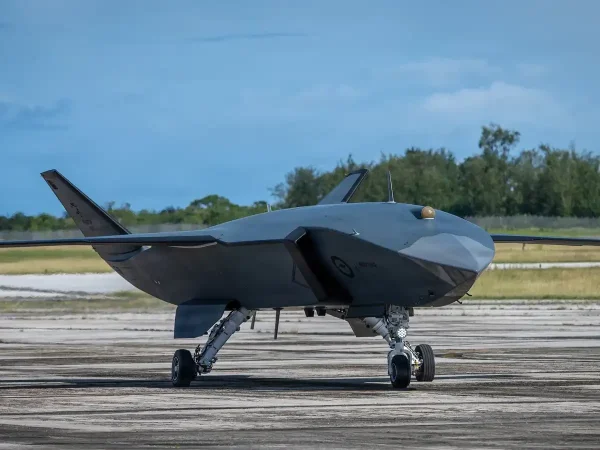
As adversaries seek to erode our military advantage, the F-35's ability to combine battlefield intelligence and technology – and share it instantaneously across every domain – gives it an overwhelming edge in capability unmatched by any alternative. The F-35 securely shares critical targeting information and coordinates firepower from both manned aircraft and combat drones to dominate the modern battlespace.
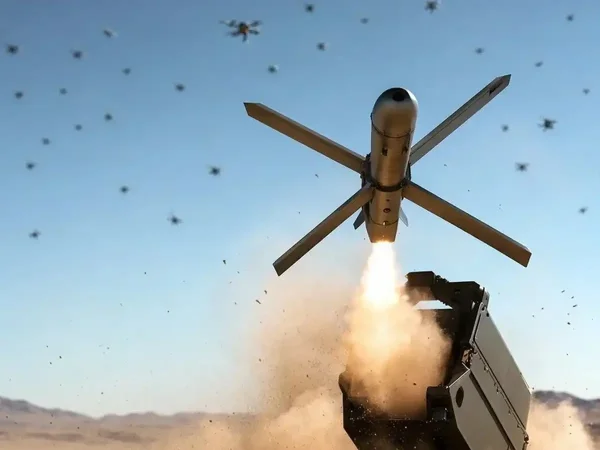
Directed energy solutions, like the U.S. Army’s IFPC-HEL and the U.S. Navy’s HELIOS are designed to be modular – deployable across sea, land, and air – and combined with existing defence platforms.
Together, these capabilities strengthen the underlayer as a critical component of the broader missile defence architecture, connecting ground-based action with space-based detection and strategic defence.
Command and Control Architecture – C2BMC
The Command and Control (C2) layer ensures threat data is shared rapidly and accurately between systems, facilitating effective and efficient response to emerging threats. Space-based sensors are foundational to command and control, delivering the early detection and global reach needed to fuse data, accelerate decision-making and enable coordinated defence.
Systems like the Missile Defence Agency’s Command and Control, Battle Management, and Communications (C2BMC) system, one of the first battle management systems to integrate across domains, is doing this mission now. Lockheed Martin leads the national team supporting C2BMC which is supporting layered missile defence and saving lives 24/7, 365 days a year around the world.
The Advantage Belongs to Those who Adapt
A fully integrated, layered air and missile defence relies on the seamless connection between terrestrial and space-based assets, working together to create a resilient, adaptive shield that protects the nation from evolving threats across all domains. If we fall short in space now, we risk falling short against an array of multi-domain threats in the future.
With decades of mission experience, proven advanced technologies already in orbit and a deep understanding of layered air and missile defence, Lockheed Martin stands ready to deliver the integrated capabilities essential to America’s Golden Dome, advancing 21st Century Security® and ensuring dominance ahead of tomorrow’s multi-domain threats.